Watch the Winter Migration of Southern Right Whales: Whale Watching
The winter migration of Southern Right Whales is a unique opportunity to see these amazing animals in their natural habitat. These huge creatures move from cold waters to warm coastal areas for breeding and nursing their young. During their journey along different coasts, whale watchers can have stunning views and close encounters with the magnificent beasts. This article explores the world of Southern Right Whales, their winter migration patterns, why we should watch whales, and what we can do responsibly to make our experience better.

Contents
Southern Right Whales: A Brief
What Are Southern Right Whales?
Southern right whales (Eubalaena australis) are large marine mammals that have a V-shaped blow as their most distinctive feature. They can grow up to 18 meters long and weigh around 50 tons; they usually have dark bodies with white callosities on them. Unlike other species of whales, they possess a thick layer of blubber which helps them survive in colder waters. These creatures feed mainly on small crustaceans called copepods that they filter through baleen plates located in their mouths. Southern right whales are sociable animals often seen traveling in pairs or small groups; they also show such behaviors as breaching and playing at the surface of the ocean. Their elegance and gentle nature make them very popular among people who love watching whales.
Habitat & Distribution
The southern hemisphere is home to southern right whales; significant populations live off the coasts of South America, southern Africa, and Australia. In winter months when it is cold at feeding grounds situated within Antarctic waters these mammals migrate towards warmer coastal regions where breeding takes place together with giving birth to calves . Notable routes include Argentina’s coast especially around Peninsula Valdés as well as waters off southern African coastlines or Australian shores southwards from there. Migration patterns are affected by oceanic conditions, food availability, and breeding cycles among other factors. By knowing where they live and what areas they frequent most often during different times of the year one can plan their trip accordingly so as to be able to see them. Observing them at this time is not only exciting but also necessary for their protection.

Why Winter Migration Matters
Reasons for Migration
Southern right whales migrate during winter mainly because it is a safer environment for them to breed and give birth. Calving usually takes place between June and September when calves can be born into surroundings that will enable their survival . The journey also provides opportunities for adults to find mates as well as engage in social behaviors necessary for successful reproduction . Additionally, environmental aspects like water temperature or food availability may influence when and where these animals move from one place to another during this period of time. Knowing these reasons helps people who want to watch whales select the best time and location for such an activity. Furthermore, seeing a baby being born is something that happens once in lifetime which attracts many nature lovers.
Conservation Status
Southern right whales were nearly hunted down until they became extinct hence their current conservation status remains critical . According to recent estimates about 15 thousand individuals still exist worldwide showing signs of slow recovery from past hunting activities . However; ship strikes entanglement with fishing gear habitat degradation among others continue posing threats towards these creatures’ lives even today. Establishment marine protected areas together with regulations on shipping routes have played significant roles in ensuring safety during migration periods for these animals . More efforts need to be made towards creating awareness among people so that they can get involved actively in saving them since without public participation long term survival may not be guaranteed. It is important for whale watchers to be aware of these problems so that they can help conserve the whales through sustainable tourism.

Best Places for Whale Watching
Top Destinations
There are a number of destinations that offer great opportunities to see Southern Right Whales. Here are some of the best places for whale watching:
- Peninsula Valdés, Argentina: This UNESCO World Heritage Site is home to a large population of Southern Right Whales.
- Hermanus, South Africa: Known for its land-based whale watching, with whales often visible from the shore.
- Logies Bay, Australia: A popular breeding ground for Southern Right Whales, especially in August and September.
Ideal Times to Go

The peak season for whale watching varies depending on the location but generally falls between June and November. Weather conditions, tides and local tourism schedules all contribute to the best time frame for viewing. In many areas, the first sightings of Southern Right Whales can occur as early as May but if you want to see calves then plan your trip between July and September. The table below gives a quick reference guide to viewing times per location:
| Location | Best Months to Visit |
|---|---|
| Peninsula Valdés, Argentina | June – December |
| Hermanus, South Africa | June – November |
| Logies Bay, Australia | August – October |
How to Make the Most of Your Whale Watching Experience
What You Can Expect on a Whale Watching Tour
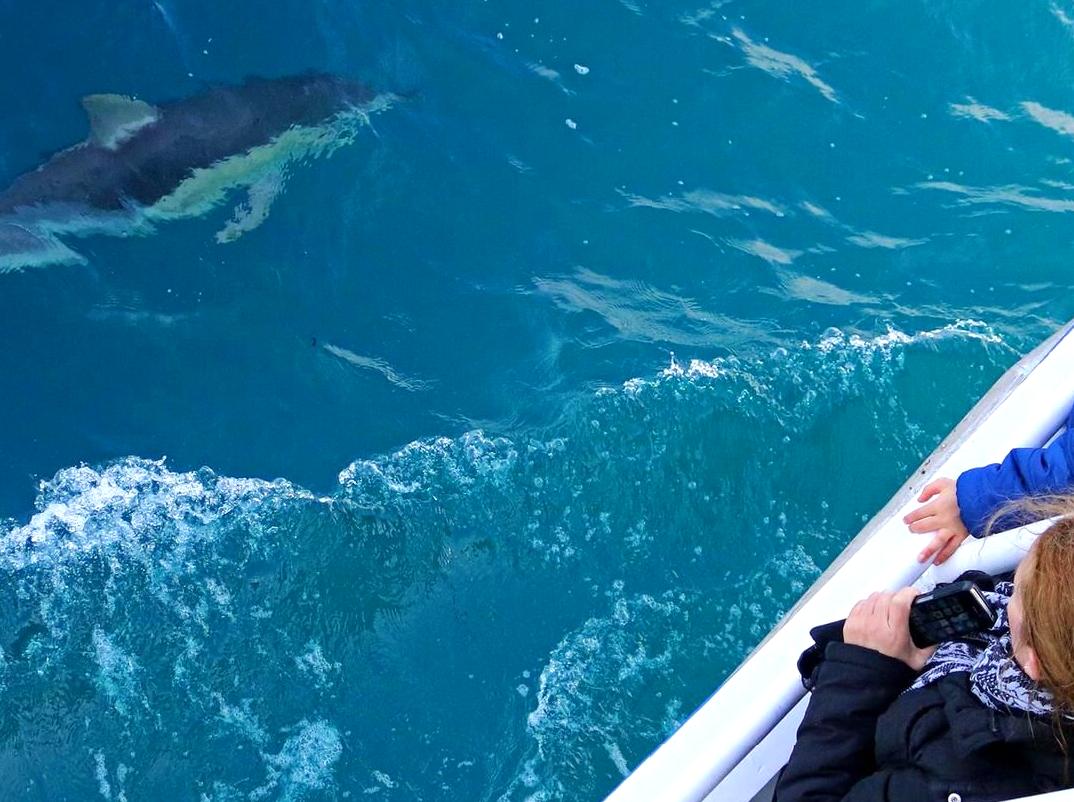
Whale watching tours can offer a range of experiences from listening to the whales blow to seeing them breach. Guides often provide information about whale behaviour, life cycles and migration patterns which can help you appreciate these amazing creatures even more. To enhance your experience you may want to bring binoculars for better viewing or a camera to capture those once in a lifetime moments. Also be prepared for periods of no sightings as whales are wild animals and do not perform on cue. Sharing the excitement with others in your group can make the experience even more special so don’t be afraid to show your enthusiasm when you see these magnificent animals. Above all else enjoy the peace of the ocean and thrill of encountering wildlife in its natural habitat.
Responsible Whale Watching
Whale watching is an exciting activity but it is important that we observe them responsibly too. Here are some things you should do while spending time with these gentle giants:
- Maintain a safe distance from whales as specified by local regulations.
- Avoid making loud noises or sudden movements that could startle them.
- Follow instructions given by tour operators so that your actions do not disrupt their natural behaviour patterns.
If we understand and respect these guidelines then our efforts will contribute towards conserving Southern Right Whales for future generations as well as making this an enjoyable experience for everyone involved. Always remember that what you do as a whale watcher can make all the difference when it comes to saving marine life!
In Conclusion
Seeing the winter migration of Southern Right Whales is an amazing experience that connects us with nature like no other. As they travel along our coastlines in search of safe breeding grounds, we get to witness their behaviour and interactions unfold before our eyes. This annual event not only provides incredible opportunities for observation but also highlights a shared responsibility towards protecting these magnificent creatures and their habitats.
If we participate in responsible whale watching, we can help save the Southern Right Whales and ensure that our children’s children will have a chance to see them. So get ready for an amazing adventure – whether you are a passionate fan or just a passer-by, watch the winter migration of southern right whales!
Frequently Asked Questions
FAQ 1: When is the best time to see Southern Right Whales?
Answer: The best time to see Southern Right Whales is usually between June and November during their winter migration when they come closer to shore for breeding and calving.
FAQ 2: Where are the best places to go whale watching?
Answer: Some of the best places for whale watching include South Africa’s coasts, Argentina, Australia especially Bay of Whales and Head of Bight.
FAQ 3: How can I responsibly observe whales during my trip?
Answer: To responsibly observe whales keep safe distance, don’t make loud noises and follow guidelines given by your tour operator so as not to disturb them much.
FAQ 4: Do I need special equipment for whale watching?
Answer: While binoculars may enhance your viewing experience most tours offer close-up views. Cameras with zoom lenses are also recommended for capturing memories.
FAQ 5: What should I wear for a whale watching trip?
Answer: Dress in layers, wear sunscreen and bring a hat to protect against sun exposure. Comfortable stable footwear is essential especially on boats.
The winter migration of Southern Right Whales is a unique opportunity to see these amazing animals in their natural habitat. These huge creatures move from cold waters to warm coastal areas for breeding and nursing their young. During their journey along different coasts, whale watchers can have stunning views and close encounters with the magnificent…